
Onion Oil Benefits & Uses: The Complete Guide to Onion Seed Oil

Onion oil has been a cornerstone of natural wellness for generations - and for good reason. Whether you are looking to strengthen your hair, nourish your skin, or support your overall health, onion seed oil delivers a remarkable range of benefits backed by its rich nutritional profile. This guide covers everything you need to know: what onion oil is, what it is good for, and exactly how to use it.
What is Onion Oil?
Onion oil is a natural extract derived from the onion plant (Allium cepa). It is typically obtained through cold-pressing or steam distillation of onion seeds or bulbs, a careful process that preserves the oil's potent bioactive compounds.
The result is a concentrated, nutrient-dense oil packed with:
-
Sulfur compounds (diallyl disulfide, allyl propyl disulfide) - the key drivers of hair and skin benefits
-
Vitamins A, B6, C, and E - for antioxidant protection and cell renewal
-
Minerals (iron, calcium, potassium, magnesium) - for scalp and skin nourishment
-
Fatty acids (oleic and linoleic acid) - for deep moisturisation
-
Quercetin and flavonoids - powerful anti-inflammatory antioxidants
Organic Zing's onion seed oil is 100% pure and cold-pressed, with no artificial additives - so every drop delivers the full spectrum of these natural compounds.
Nutritional Profile of Onions
Onions, the primary source of Onion Oil, are packed with nutrients such as vitamin C, Vitamin B6, and folate. These vitamins play pivotal roles in various bodily functions.
- One standout feature of onions is their high sulfur content, which translates to enhanced hair and skin health. Sulphur compounds promote hair growth and help maintain skin elasticity.
- Onions also provide a significant dose of essential minerals like potassium and calcium. These minerals are crucial for maintaining strong bones and healthy blood pressure.
- Antioxidants, including quercetin and anthocyanins, are abundant in onions. They combat oxidative stress, reducing the risk of chronic diseases and promoting overall well-being.
Onion Seed Oil vs. Onion Oil: What Is the Difference?
You will often see both terms used. Onion seed oil is extracted specifically from onion seeds, making it more concentrated in certain fatty acids and sulfur compounds. Regular onion oil may be pressed from the bulb or infused. Both offer overlapping benefits, but onion seed oil is generally considered the more potent option for topical hair and skin use.
Onion Oil Benefits for Hair
Hair care is where onion oil - and particularly onion seed oil - truly shines. Here is why it has become one of the most sought-after natural hair treatments.
Promotes Hair Growth
The high sulfur content in onion seed oil stimulates hair follicles, improves blood circulation to the scalp, and supports the production of keratin - the structural protein that hair is made of. Regular application has been associated with visibly thicker, stronger hair over time.
Reduces Hair Fall
Onion oil contains compounds that may inhibit DHT (dihydrotestosterone), the hormone linked to hair thinning and androgenetic alopecia. Combined with its ability to strengthen individual hair strands, this makes it one of the most used natural oils for combating hair fall.
Improves Scalp Health
Its natural antibacterial and antifungal properties help keep the scalp clean and free from infections. If you struggle with dandruff, itchiness, or scalp inflammation, onion seed oil can help restore a healthy scalp environment.
Adds Shine and Reduces Breakage
The fatty acids in onion seed oil coat the hair shaft, smoothing the cuticle and reducing breakage. Hair feels softer, looks shinier, and is less prone to split ends with consistent use.
Onion Oil Benefits for Skin
Onion oil benefits are not limited to hair. The same antioxidant and antimicrobial properties make it a valuable addition to any natural skincare routine.
Fights Free Radicals and Slows Ageing
The antioxidants in onion oil - particularly quercetin and vitamins C and E - neutralise free radicals that contribute to premature ageing, fine lines, and dull skin. Regular topical use can help maintain a more youthful, even complexion.
Supports Acne-Prone Skin
Onion oil's antimicrobial properties can help address acne-causing bacteria on the skin. It is best used diluted in a carrier oil for sensitive skin types.
Reduces the Appearance of Scars
Onion extract has long been used in dermatology for its ability to soften scar tissue and improve skin texture. Topical application of onion seed oil may help reduce the visibility of post-acne marks and minor scars over time.
Protects Against Environmental Damage
Vitamins A, C, and E work together to shield the skin from UV-related oxidative damage, acting as a natural layer of defence against environmental stressors
Onion Oil Health Benefits Beyond Hair and Skin
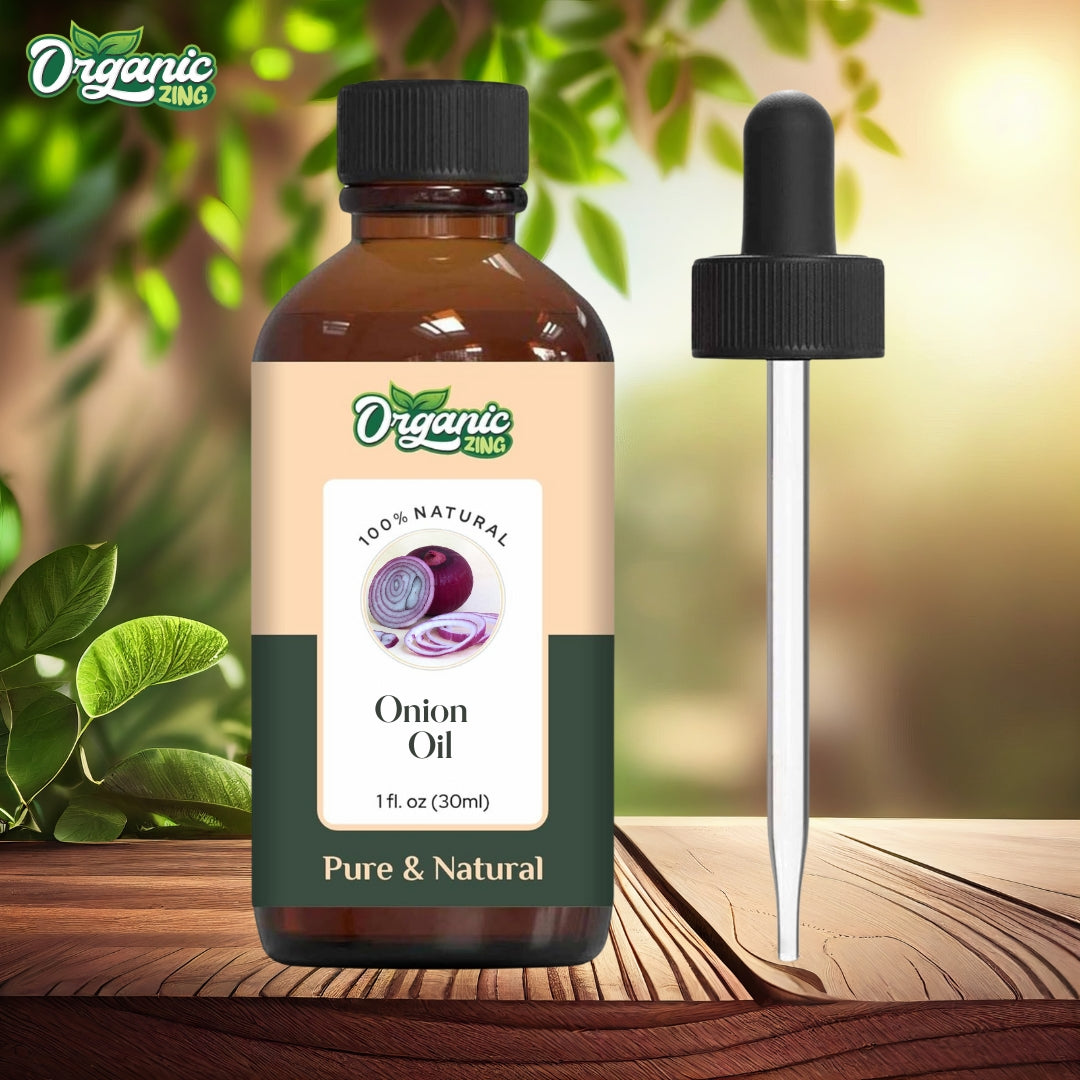
Onion oil's benefits extend beyond topical use. The bioactive compounds found in onion - particularly its sulfur-rich molecules and flavonoids - have been studied for several systemic effects:
- Anti-inflammatory support: Quercetin is one of nature's most potent anti-inflammatories, which is why onion oil is sometimes used in topical formulations for joint discomfort.
- Antimicrobial properties: Onion oil has natural antibacterial activity that has been explored in traditional remedies for minor infections.
-
Antioxidant protection: Systemic antioxidants from dietary onion (the source of onion oil) support immune health, cardiovascular function, and cellular repair.
What Is Onion Oil Used For? Key Uses at a Glance
|
Use |
How It Helps |
|
Hair growth treatment |
Sulfur stimulates follicles and boosts keratin production |
|
Dandruff and scalp care |
Antifungal and antibacterial properties balance scalp microbiome |
|
Anti-ageing skincare |
Antioxidants neutralise free radicals and support collagen |
|
Scar reduction |
Onion extract softens and repairs scar tissue |
|
Acne treatment |
Antimicrobial properties reduce acne-causing bacteria |
|
Nail health |
Strengthening compounds support nail growth and cuticle health |
How to Use Onion Oil
Getting the most from your onion seed oil depends on how you apply it.
For Hair
- Take 1–2 teaspoons of onion seed oil (or blend with a light carrier oil like coconut or jojoba if desired).
- Part your hair and apply directly to the scalp using fingertips or a dropper.
- Massage gently for 5–10 minutes to stimulate circulation.
- Leave on for at least 30 minutes, or overnight for a deep treatment.
- Wash out with a mild shampoo.
Use 2–3 times per week for best results. Consistency over 8–12 weeks is key to seeing meaningful improvement in hair growth and strength.
For Skin
Dilute onion seed oil with a carrier oil (1–2 drops per teaspoon of carrier oil) before applying to the face or body. Patch test first, especially for sensitive skin. Apply to scars or target areas and massage gently in circular motions.
Why Choose Organic Zing Onion Seed Oil?
Organic Zing's onion seed oil is cold-pressed and 100% pure - free from mineral oils, artificial preservatives, or synthetic fragrances. Every bottle delivers the full nutritional integrity of the onion seed, so your hair and skin receive the complete spectrum of benefits nature intended.
Frequently Asked Questions
What is onion oil good for?
Onion oil is most widely used for promoting hair growth, reducing hair fall, improving scalp health, and nourishing skin. Its sulfur compounds, antioxidants, and antimicrobial properties make it a versatile natural remedy for both hair and skincare routines.
What are the benefits of onion seed oil compared to regular onion oil?
Onion seed oil is extracted specifically from onion seeds and tends to be more concentrated in beneficial fatty acids and sulfur compounds. It is considered more potent for topical hair and skin applications. Both oils share overlapping benefits, but onion seed oil is the preferred choice for targeted hair growth treatments.
How long does it take for onion oil to show results for hair?
Most people notice a reduction in hair fall within 4–6 weeks of consistent use. Visible improvement in hair thickness and growth typically takes 8–12 weeks. Patience and regular application - 2 to 3 times per week - are essential.
Can I use onion oil for skin daily?
Onion oil can be used on the skin, but it should always be diluted in a carrier oil before topical application. For most skin types, using it 2–3 times a week is sufficient. Those with sensitive skin should do a patch test first.
Is onion oil good for hair loss caused by DHT?
Onion oil contains compounds that may help inhibit DHT activity at the scalp level. While it is not a replacement for medical treatment, many users incorporate onion seed oil into their hair care routine as a complementary natural support for thinning hair.
What does onion oil smell like, and does the smell go away?
Onion oil does have a characteristic onion scent due to its sulfur content. The smell typically fades once the oil is absorbed or washed out. Mixing it with a few drops of essential oil (peppermint or lavender) can help mask the scent during application.